Game
A Year of Game Dev in Review: 2025
This year started out with a simple premise: I’d make games while living off my savings. Twelve months later, the only tangible outcomes have been two (now-dead) Discord channels, a third jam game, and… more savings?
In every measurable metric, I’m almost exactly where I started. However, through my less-than-successful attempts, I’ve also internalized some important lessons that give me hope for something better next year. But first, let’s chart a timeline.
January - February: Let’s Make a Game
Very optimistically, during this time I told many people that by April (or June at the latest) I would hopefully release a 3D, roguelite strategy game with a gloomy aesthetic (think: Inscryption) and Lovecraftian undertones. For the uninitiated, this is a big scope. Too big, I would soon learn.
On top of that, with my brain fried by the many dev influencers posting pretty GIFs day in day out, I didn’t start from an ugly prototype. Instead, I focused on creating production-grade graphics that I could showcase in periodic status updates.
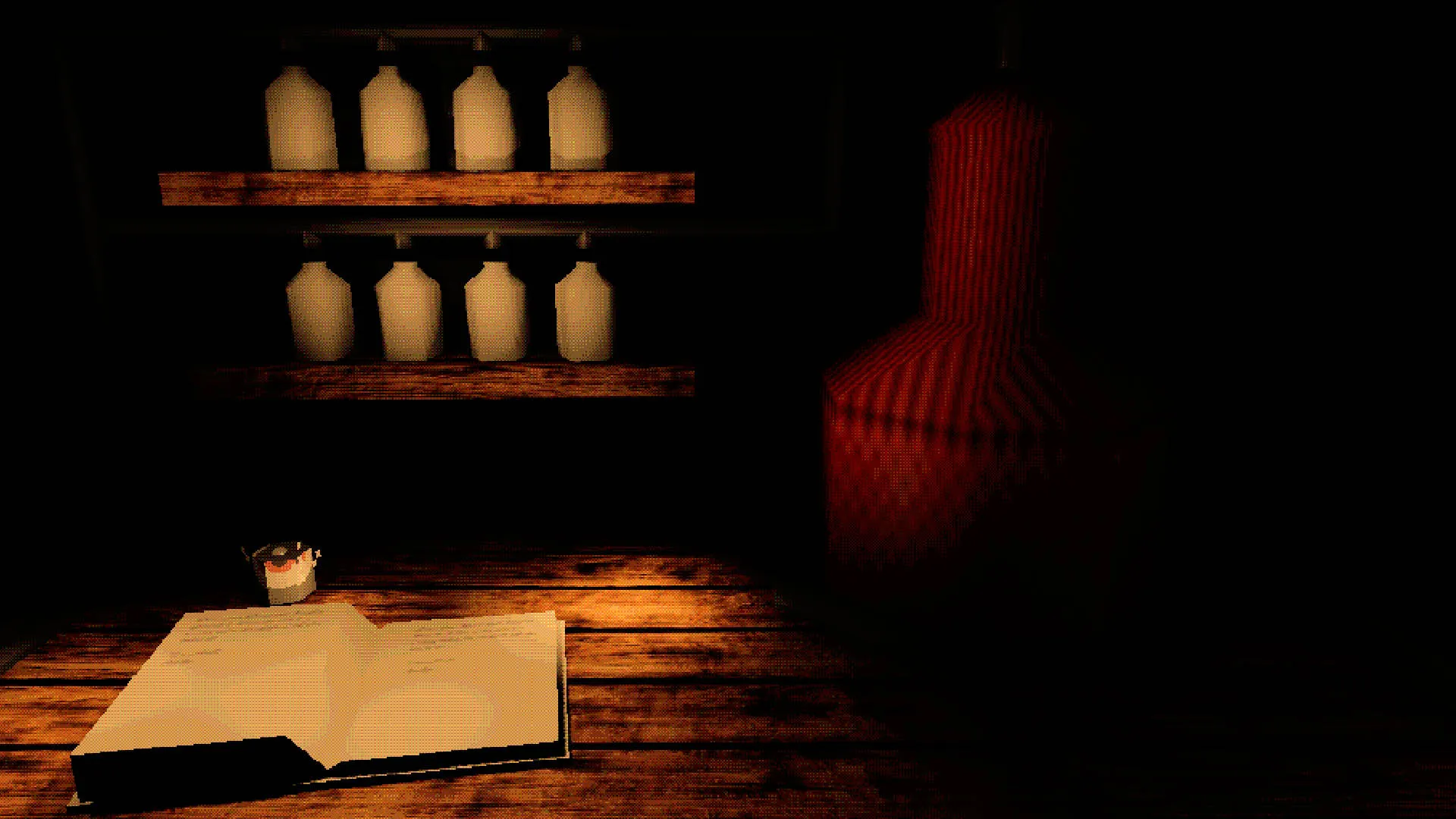
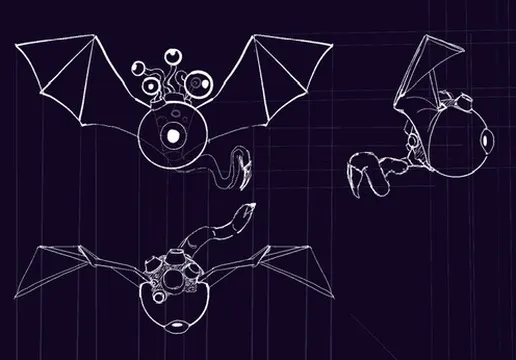
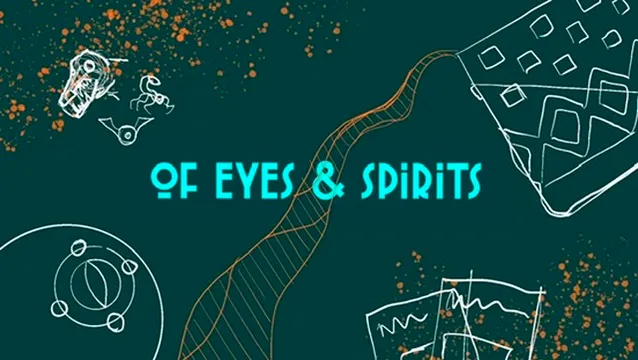
I told myself that I had to start from the graphics to make sure I could even achieve the aesthetic (and thus build the game) I had in mind. In hindsight, although a visual test can be a good thing, I now believe it should be a short activity to do after a successful prototype, to set a direction for the preproduction phase. With this game, it had been a month of just visual tests.
When I eventually tried to make a gameplay prototype, technical hurdles aside, I quickly realized I had no clue how to design a strategy game—especially one with roguelite elements. How could I finish this behemoth in 4 months? Heck, how could I finish it by the year’s end!
I had set myself up for failure: I spent two months developing a game with too big of a scope, that required a design I couldn’t readily produce, and lots of playtesting resources I didn’t have. So, with a newfound sense for complexity, I went back to the drawing board.
March - April: Let’s Make a (Small) Game
Due to my lack of experience in making anything beyond simple games, I struggled to come up with attainable ideas. Eventually, I decided to expand upon a jam game of mine: a 2D abstract puzzle game. As a side goal, I figured, I could release it on web platforms (Crazy Games, Poki) to get a first-hand feeling for that market. It wouldn’t earn me money, but at least it was something out the door.
Before I recount for you my next mistakes, let me fill you in with some context. My background is in web development—an industry in which prototypes are essentially slideshows with clickable targets. Differently from websites, to build a game it’s not enough to chart the user journey and visualize the various screens. Different outcomes require different workflows, obviously.
However, as if I were building a website, for this game I:
- did not test any of the new mechanics I planned on introducing
- drew the game board screen in a UI design software and implemented it one-to-one in Godot, over the course of a week
- spent a handful of days tweaking the background shader, to make it prettier
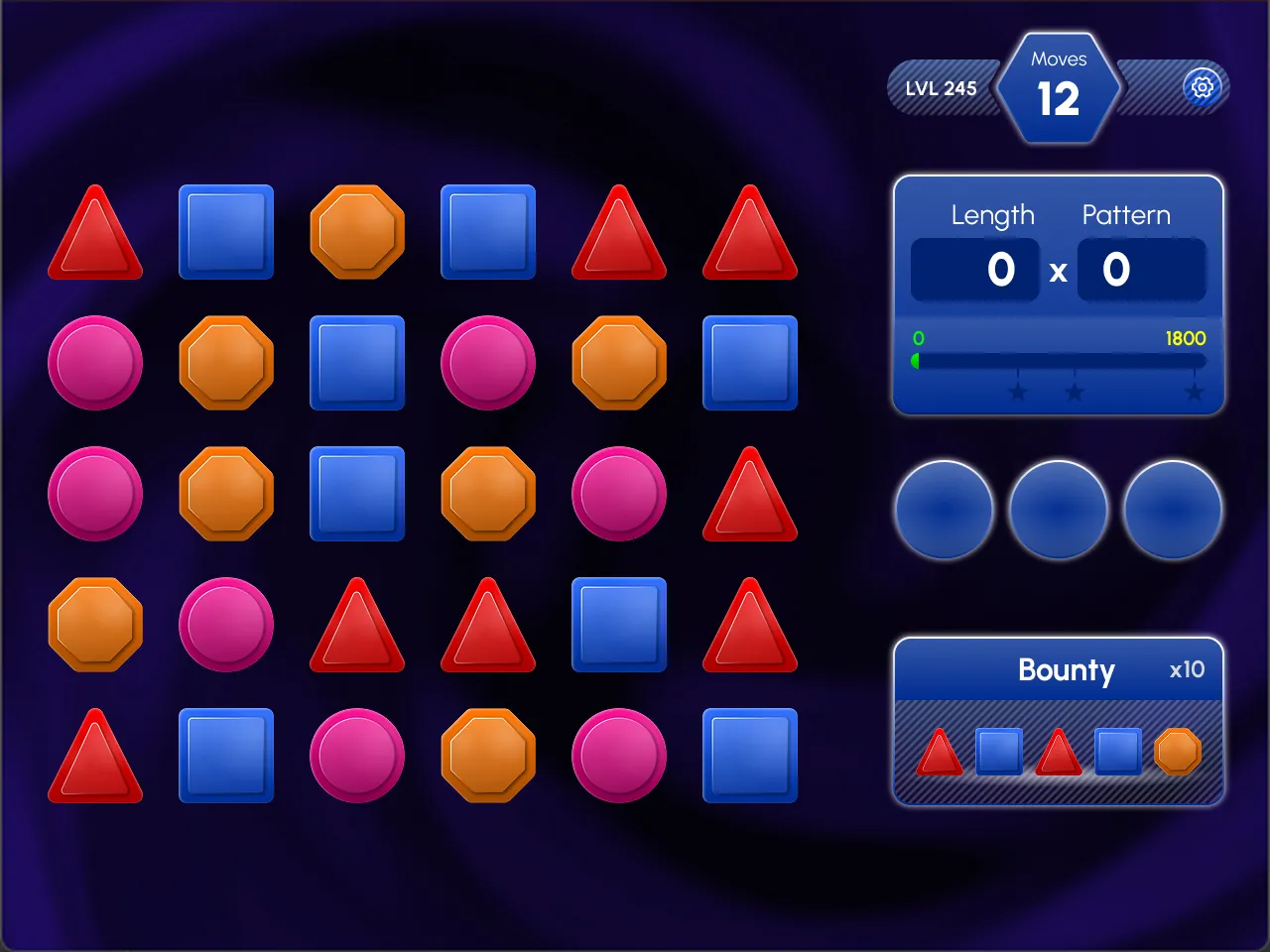

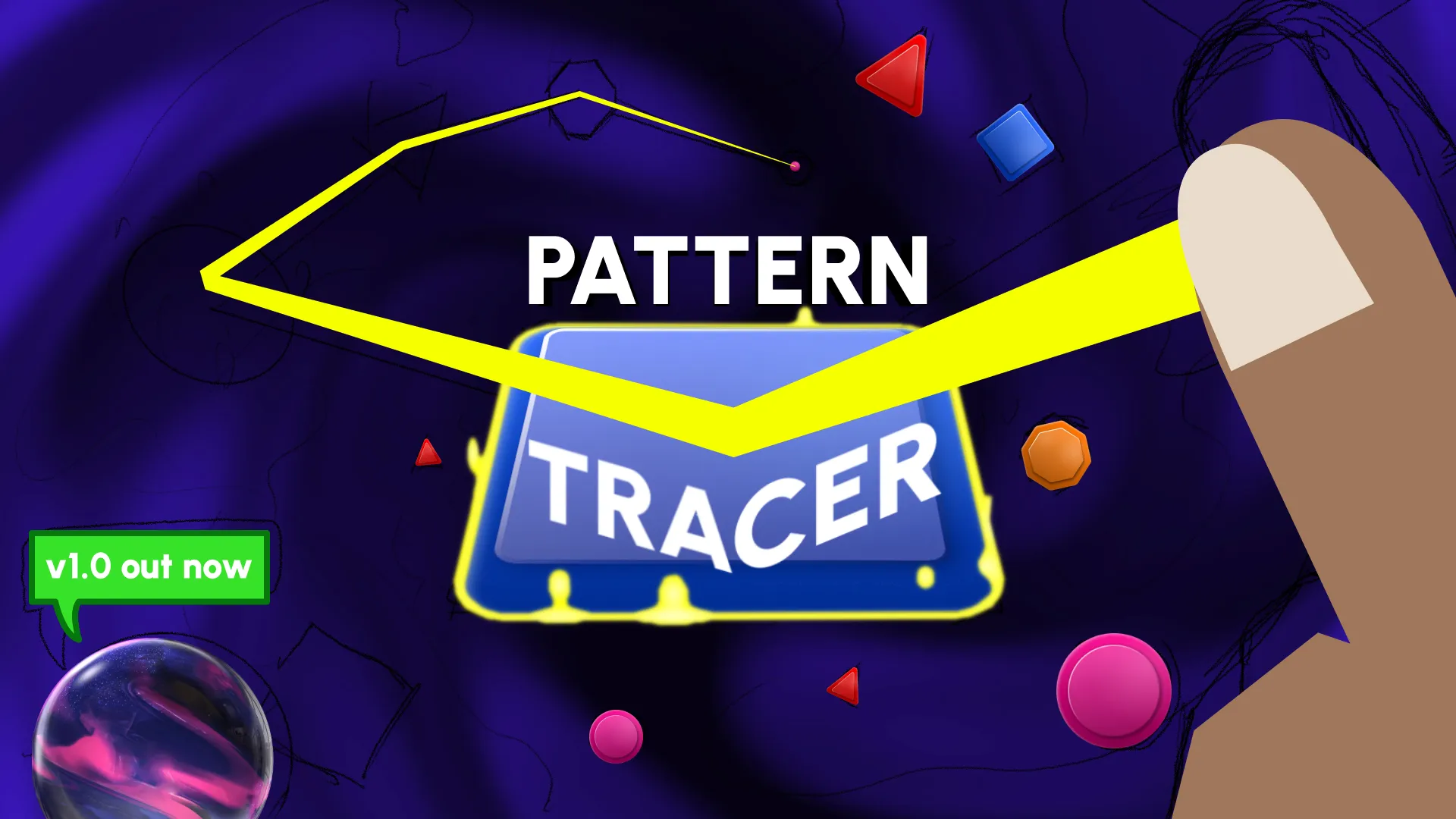
Thankfully, I picked a manageable scope, so scrapping the polish to focus on the gameplay wasn’t that big of a deal. The do-over attempt didn’t last long though, because new considerations took over shortly after.
At the forefront of my mind was the fact that I was burning through my savings without a plan to reverse course. Admittedly, my proclaimed goal was to make games, so doing so for a year and at a loss should have been fine. But my ambitions had slowly grown.
It’s no coincidence that this shift in perspective happened as a few freelancing gigs lined up at my door. Suddenly, I could see a longer, less explosive and more methodical approach to game dev working out, funded by part-time and occasional collaborations in my realm of expertise: web dev.
May - July: Freelance Life
To create rapport with my main client, starting in late April and for the first few months I worked up to 50h/week (40h with them, plus 10h/week with a second client). This didn’t leave me much time for… anything really, but I planned from the start for things to change. So, as agreed, in August we halved the hours.
This is where I’m supposed to tell you I’ve been working part time on my games ever since, and couldn’t be happier with my work-life balance. However, due to some fear of missing out I’d later regret, around the end of July I agreed to sign a two-months part time contract with the second client starting September.
It wasn’t ideal, but it was good money, I thought. The real question now was: what could I do in a month of part-time game dev work?
August: Let’s Join a Game Jam
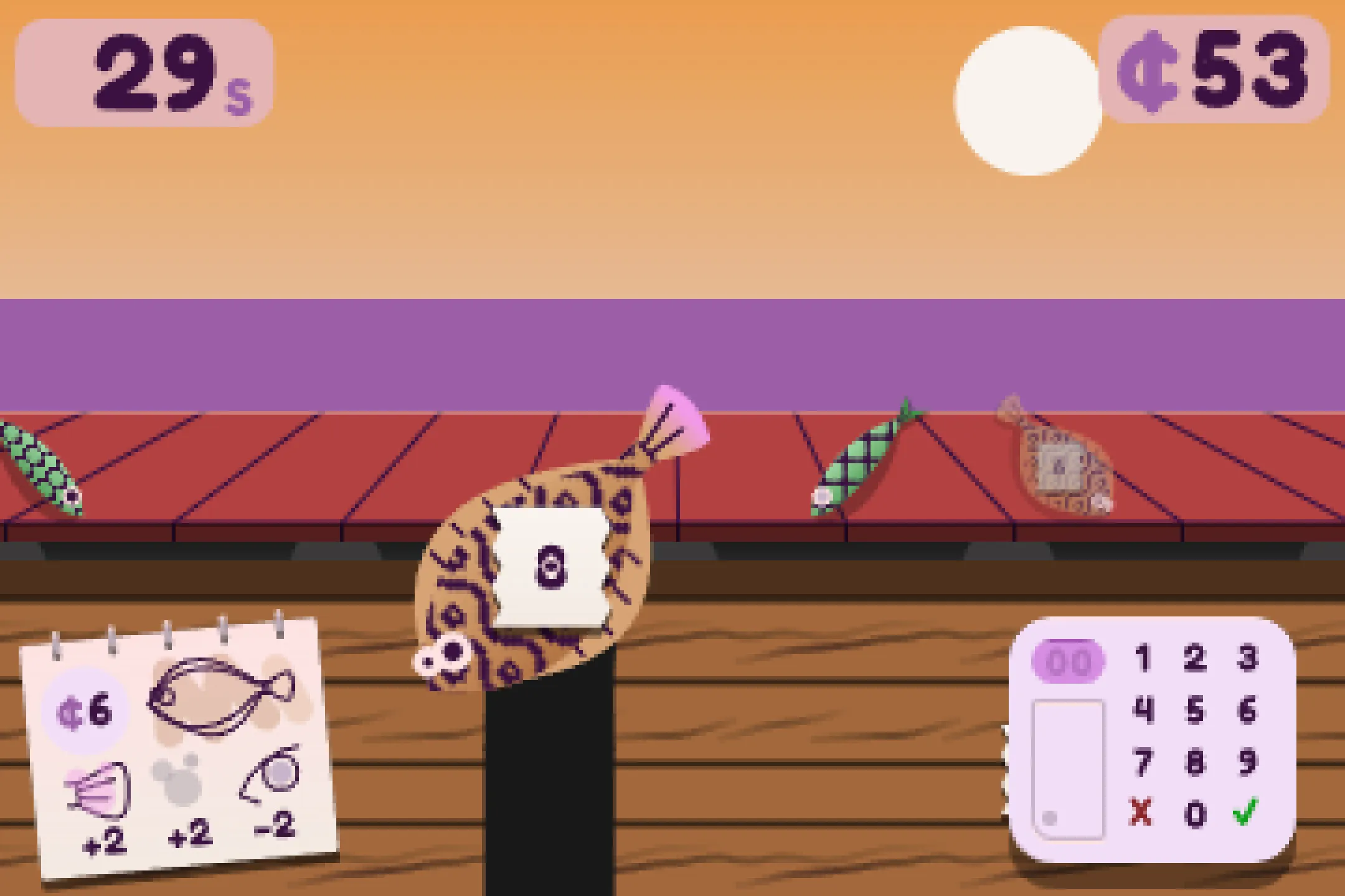
The JS13K game jam of this year was a fantastic playground to put into practice all the things I’d been mulling over in the previous months. I entered it with a great deal of confusion surrounding game programming, design, my ability to produce art assets, etc., and came out with more answers than I could have hoped for. Seriously, if you are stuck, join a game jam.
With that being said, I probably learned as much as I struggled, and the final submission rightly suffered from that. Don’t get me wrong: I’m happy with the result and it ranked well overall, but it’s a bittersweet feeling. I’ll be brief here (go check the post-mortem if you want more details) but the biggest mistake by far was making the game playable from beginning to end too late in the development process.
Due to that I 1) had no room for iteration, 2) could gather very little player feedback, and 3) had to commit to a set of mechanics that left no space (literally: the jam set a cap of 13KB) for an in-game tutorial. As a result, players didn’t read the instructions and I noticed overall that the game didn’t make even the most moderate “splash”, unlike my previous little creations.
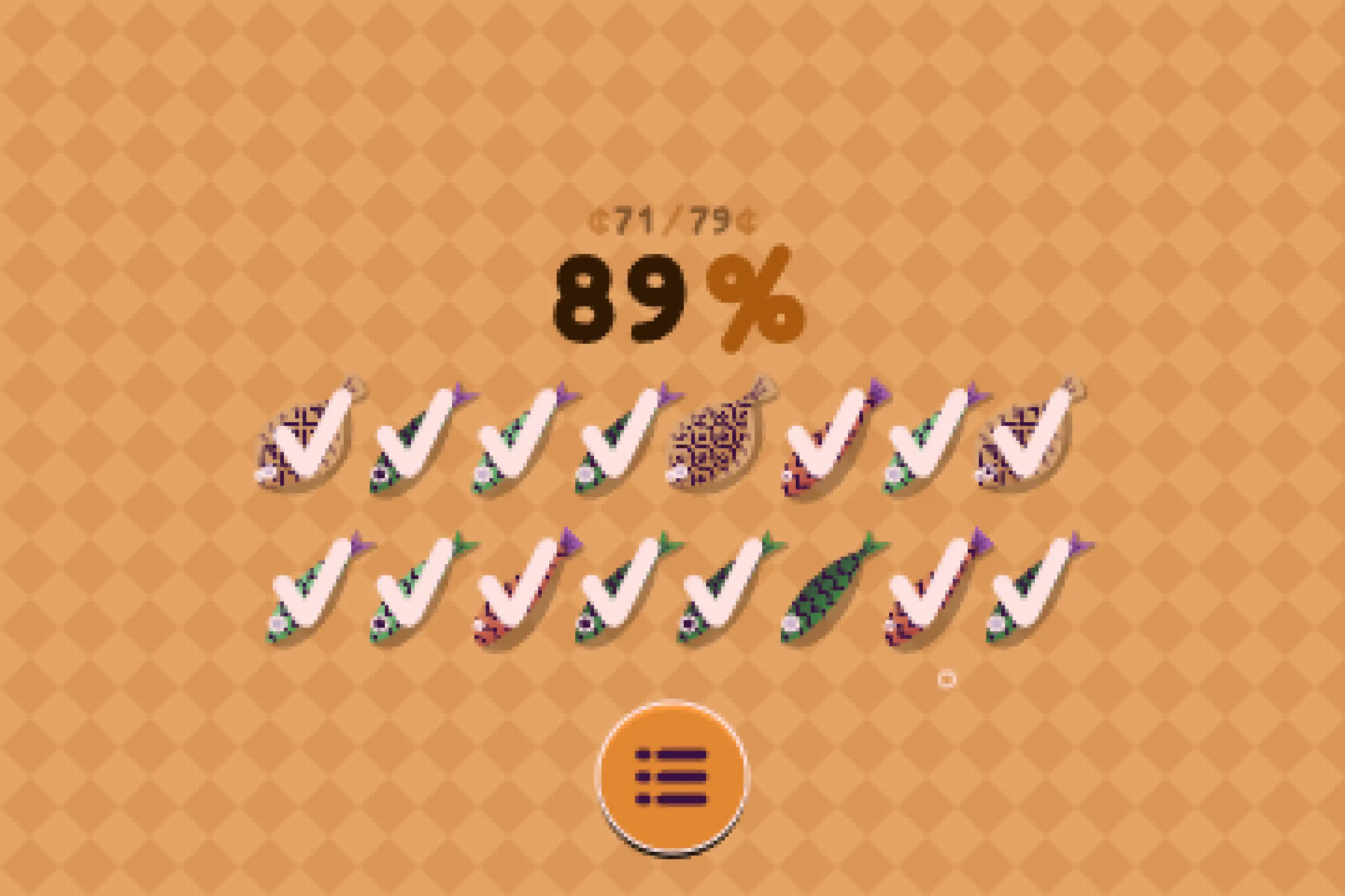

Just like that, the month was over, and I was hooked on that feeling of having completed something. I now had the confidence and the tools to take on (slightly) bigger projects—no more dead-end arcade puzzle games in my future. But right at the peak of it all, it was time to go back to a full-time web dev routine… anti-climactic, I know.
September - October: It’s Now or Never
Resuming my freelance work was rough. The job I was doing for the second client was especially soul-crashing, so after only two weeks I rescinded the contract. It would be 30 days before I could call it quits, but it had to be done. After all, I thought, if I kept on accepting every work opportunity coming my way, I’d never be able to commit to a full year of game dev.
As scary as it is to forgo the security of a steady income stream, in the context of my goals, I had to learn to be OK with being jobless (or rather, with being self-employed, although the two things still feel very much the same). That means saying “no” to contracts that aren’t 100% what I want to do at that time. Failure to do so, I figured, would result in sub-par work, worse mood, and no games getting made.
November - December: Prototypes and Time Off

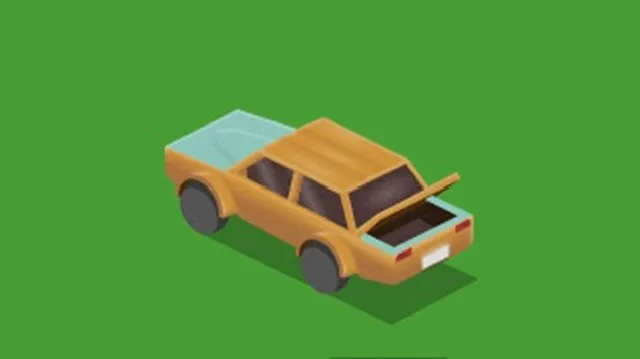
With the second client out of the picture I had a free part-time slot again. I decided to use this time to read up about game design, and later to do some idea vetting, market research, and prototypes. So far, I’ve evaluated several ideas, took two to a prototype stage, and will continue one of them as soon as the holidays are over. Because yes, right now I’m finally enjoying the first bit of time off since the beginning of the year—at long last!
Going forward, as I mentioned earlier, my main client will employ me for around 1-2h/day. It’ll be just enough to cover the operational costs of the business, and it leaves me with plenty of time for game development. I really like how things are looking from here.
So, what did I learn?
I’ve learnt that games are made of fun, appeal, and scope (this video puts it better). I’ve learnt that having a playable game as soon as possible is vital, that game design is actually very important (it’s also the best tool to get over the “now what” phase that comes at the end of a prototype), and that there’s fun to be had in building the intended game experience, even without all the eye-candy I used to focus on.
These learnings are very personal, so you won’t necessarily find all of them equally useful, if at all. I’m sharing my story so that people in a similar position may draw their own parallels and get to their own conclusions. If you’re looking for a guru, you’re in wrong place anyway. I’m fallible, I’m human, and you should maybe check out my discord server for more imperfect updates.
Until next time!